
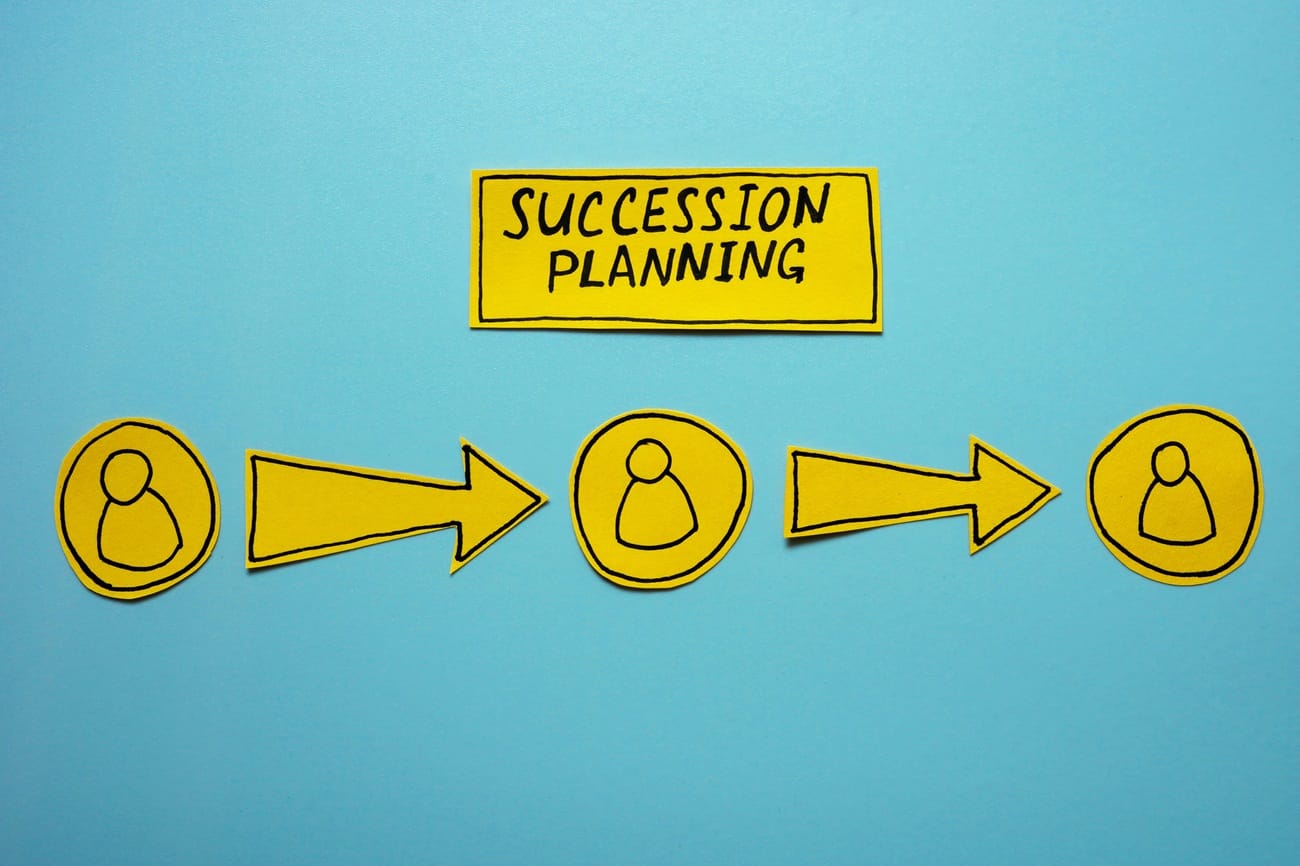


Effective succession planning is one of the board’s most critical responsibilities. This toolkit provides a comprehensive framework for boards to develop, implement, and maintain robust succession plans for key leadership positions, with a particular emphasis on Executive Director transition.
Part 1: Strategic Framework
Why Succession Planning Matters
Succession planning protects organizational continuity, preserves institutional knowledge, maintains stakeholder confidence, and ensures strategic momentum. Organizations with strong succession plans demonstrate 2-3x higher performance and lower volatility during leadership transitions.
Core Principles
Ongoing Process: Succession planning is continuous, not a one-time event triggered by departure announcements.
Board Ownership: While management provides input, the board retains ultimate responsibility for succession planning.
Multiple Scenarios: Plans should address both emergency transitions and planned transitions.
Internal Development: Strong succession planning includes systematic leadership development programs.
Transparency with Flexibility: Communicate the process while maintaining appropriate confidentiality about specific candidates.
Part 2: Common Pitfalls to Avoid
Waiting Too Long: Beginning succession planning only when departure is imminent leads to rushed, suboptimal decisions.
Over-Reliance on Current Executive Director: While the Executive Director provides valuable input, boards must own the process and make independent assessments.
Neglecting Internal Development: Failing to invest in leadership development creates succession crises.
Inadequate Board Exposure: Board members cannot assess internal candidates they rarely interact with meaningfully.
Horse Race Dynamics: When multiple internal candidates compete publicly, losers often leave, depleting the leadership bench.
Cloning the Current Executive Director: The best successor often has different strengths suited to future challenges rather than past ones.
Poor Transition Management: Insufficient planning for knowledge transfer, stakeholder communication, and outgoing Executive Director role creates avoidable turbulence.
Confidentiality Failures: Premature disclosure of succession plans can destabilize the organization and damage candidate relationships.
Part 3: Executive Director Succession Planning
Key Succession Planning Activities
Ongoing Activities
- Conduct annual succession planning reviews
- Manage leadership development pipeline
- Provide regular exposure of potential successors to the board
- Maintain and update emergency succession plan
Early Candidate Development Phase
- Identify and assess internal candidates
- Create development plans for high-potential leaders
- Refine role requirements based on strategic needs
Later Preparation Phase
- Finalize candidate slate and selection criteria
- Intensify assessment and development activities
- Engage executive search firm if considering external candidates
- Develop transition and onboarding plans
The Succession Planning Committee
Establish a dedicated committee (often a subset of Governance or Compensation Committee) responsible for:
- Leading the succession planning process
- Maintaining relationships with potential internal candidates
- Engaging an external search firm when necessary
- Managing confidential candidate assessments
- Coordinating with the full board on final decisions
Selection Criteria Development
Strategic Alignment: Define leadership capabilities needed for the organization’s next chapter, do not just clone what made the current CEO successful.
Core Competencies: Consider industry knowledge, strategic thinking, operational excellence, financial acumen, stakeholder management, cultural fit, innovation mindset, and change management abilities.
Future-Focused: Anticipate emerging challenges like regulatory changes and consider the types of skills that will be necessary to navigate these obstacles.
Emergency Succession Protocol
Designate an interim Executive Director who can assume responsibilities immediately if the Executive Director becomes unexpectedly unavailable. This can be someone either internal (another member of the leadership team) or an external (a nonprofit consulting firm to match your organization with interim leader when you need it). Document this appointment in board resolutions and ensure the interim leader understands their role. Review and update this plan annually.
Part 4: Assessment and Selection Process
Internal Candidate Development
Exposure Strategy: Create opportunities for potential successors to present to the board, lead strategic initiatives, represent the organization externally, and manage cross-functional projects.
Assessment Methods: Use 360-degree feedback, executive coaching, board observation and interaction, scenario-based evaluations, and external benchmarking.
Development Plans: Provide targeted skill development, stretch assignments, executive education, mentorship programs, and cross-functional rotations.
External Candidate Search
When to Look External: Consider outside candidates when transformational change is needed, internal candidates lack critical capabilities, fresh perspective would benefit the organization, or social sector dynamics require different expertise.
Search Firm Selection: Choose a search firm with relevant industry experience, board-level search expertise, diversity recruitment track record, and cultural assessment capabilities.
Candidate Evaluation Framework
Create a standardized scorecard including strategic vision and thinking, operational and execution excellence, leadership and people development, financial and business acumen, stakeholder and relationship management, integrity and ethical judgment, cultural fit and values alignment, and change management and adaptability.
Part 5: Transition Management
Transition Planning
Knowledge Transfer: Document critical relationships, ongoing strategic initiatives, key decisions and rationale, organizational dynamics and culture, and pending challenges and opportunities.
Communication Strategy: Develop sequenced announcements to employees, customers and partners, investors and analysts, media and public, and regulators (if applicable). Ensure consistent messaging that maintains confidence and stability.
Onboarding Plan: Even for internal candidates, create a structured 90-day plan including deep dives with each function, key stakeholder meetings, strategic priority review, and culture immersion.
Outgoing Executive Director Role
Healthy Departure: The departing Executive Director should support a clean transition by endorsing the successor, facilitating knowledge transfer, being available to consult (where possible), supporting the new leader, and ultimately stepping away fully.
Board Management: The board chair should actively manage the outgoing Executive Director’s role and timeline to prevent shadow leadership dynamics.
Part 6: Tools and Templates
Annual Succession Planning Calendar
- Q1: Review emergency succession plan, assess internal candidate development progress, update succession risk assessment
- Q2: Conduct board skills assessment, evaluate C-suite succession readiness, review leadership development programs
- Q3: Full succession planning review with board, update candidate profiles and development plans, assess external market for potential candidates
- Q4: Review compensation and retention strategies, evaluate succession committee effectiveness, plan next year’s succession activities
Succession Readiness Assessment
For each critical position, rate readiness on a 1-5 scale:
Ready Now (5): One or more candidates could assume role immediately with minimal risk
Ready in 1-2 Years (3-4): Candidates identified but need specific development
Not Ready (1-2): No viable internal candidates; would require external search
Discussion Guide for Board Sessions
Opening Questions: What strategic shifts might require different leadership capabilities? How has our assessment of internal candidates evolved? What development opportunities should we create for potential successors? Are we appropriately balancing internal development with external perspective?
Risk Assessment: What would happen if the Executive Director left unexpectedly tomorrow? Do we have sufficient bench strength across the senior team? Are we at risk of losing key internal candidates? How are we managing succession planning confidentiality?
Action Planning: What specific succession planning actions are needed in the next 12 months? Who is responsible for each action? How will we measure progress? When should we revisit this plan?
Part 7: Best Practices Checklist
Process Excellence
[ ] Written succession plan documented and regularly updated
[ ] Succession plan reviewed at least annually by full board
[ ] Dedicated committee or board leadership owns succession planning
[ ] Emergency succession plan in place and tested
[ ] Internal candidates get meaningful board exposure
Candidate Development
[ ] Leadership development programs tied to succession planning
[ ] High-potential leaders receive targeted development plans
[ ] Succession candidates given stretch assignments
[ ] Regular feedback and coaching provided to potential successors
[ ] Retention strategies in place for key succession candidates
Decision Quality
[ ] Clear, future-focused selection criteria established
[ ] Multiple assessment methods used for candidate evaluation
[ ] Diversity considered in succession planning
[ ] Independent advisors consulted when appropriate
[ ] Sufficient time allocated for thorough evaluation
Transition Management
[ ] Comprehensive transition plan developed before announcement
[ ] Communication strategy covers all key stakeholders
[ ] Knowledge transfer process structured and documented
[ ] New leader onboarding plan created
[ ] Outgoing leader role clearly defined and time-limited
In Summary
Effective succession planning is not about predicting the future perfectly, but about building organizational resilience and leadership depth. Boards that treat succession planning as a strategic priority rather than an administrative task create significant competitive advantage. By following this toolkit’s framework and maintaining disciplined focus on succession planning, boards fulfill one of their most important duties while positioning their organizations for sustained success.
Remember: the best time to plan for succession is when you don’t need to, and the best succession plans are those that develop leaders continuously rather than scramble reactively.
Valtas can help nonprofit boards with succession planning as well as navigating leadership changes. Contact us today to find out more!