
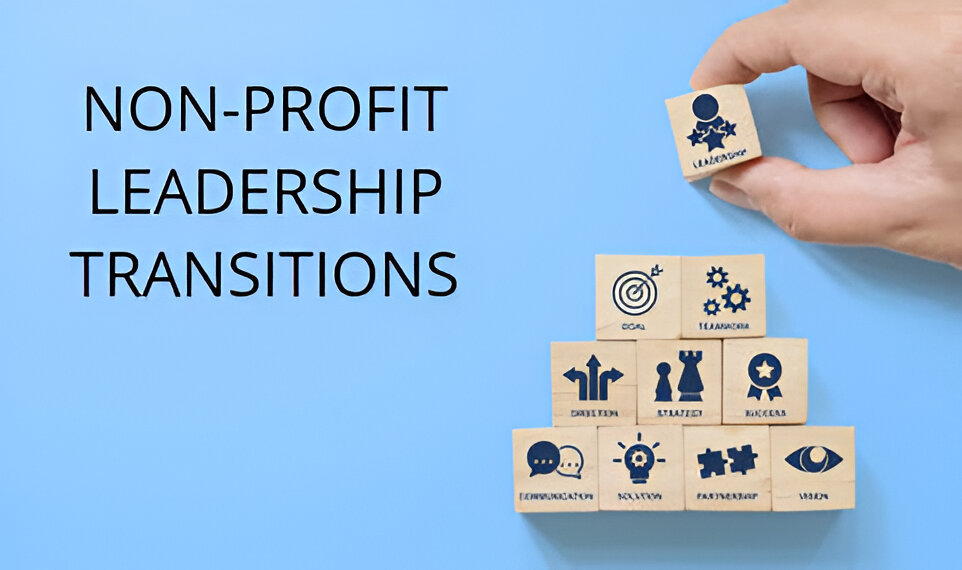


There are many questions facing an Executive Director when considering departing their organization, such as:
- What will happen to the organization if I leave?
- Will the board be able to manage this transition and how much time and support will they need from me?
- How can I help staff with this transition?
Now, it is important to note that this article is about planned transitions because there are other considerations when approaching an unexpected leadership transition due to sudden resignation, termination, illness, or death. But the reality is that organizations in leadership transition often experience tension, stress, and high emotions, even if they are well anticipated. This emotional burden falls to staff who must navigate shifting workloads, changing expectations, and fear of the unknown. Therefore, one of the most important elements of a successful transition that can ease this is preparing and caring for staff.
Let’s take a look how an Executive Director can best prepare staff before leaving:
1. Have a Unified Plan Before Announcing
Confusion is a common marker of transitions because organizations tend to jump into action prior to making a comprehensive plan. Before announcing to staff, the Board of Directors and Executive Director need to work together to:
- Review the board succession policy
- Clarify the transition timeline, including the break-off date
- Determine if interim leadership is required and first steps
- Agree upon core transition message points
After finalizing these details, the Executive Director should meet personally with senior staff to officially share the news and get feedback on the proposed leadership plan, timeline, and messaging.
2. Communicate (A Lot!)
The single most important thing an organization can do to ease change is maintaining healthy, frequent communication. The fear of change is deeply intertwined with the fear of the unknown. For this reason, access to information and decision makers will be critical to maintaining trust and morale.
- Bring staff together, in person if possible, and share the current transition plan.
- Follow up in email so your team can reference back on their own time.
- Build in opportunities into your regular staff meetings and 1-on-1s to specifically solicit and answer questions around the transition.
3. Utilize a Professional Interim
Transition is a state of mind and change management an expertise. It requires balancing stability with change, while maintaining morale and momentum.
When anticipating a gap in leadership, there are many benefits in utilizing a professional interim instead of an internal candidate or board member. This specialized professional typically brings cross-functional experience and tools to help steady and steer the organization during its transition by:
- Supporting a period of reflection and self-assessment to align the board and staff leadership behind a fresh vision for the organization
- Offering a critical neutral space for healing conflicts and structural issues
- Serving as an impartial party to facilitate difficult conversations with the board and staff
- Minimizing the impact of crisis or challenges
- Steadying the organization for the next leader
- Prioritizing projects and workload over the short-term
- Minimizing chance of staff burnout
- Preparing for effective onboarding and integration of a new leader
While hiring the right long term leader can take months, getting a capable interim is possible in a matter of days, and minimally disrupts the execution of other essential senior leadership responsibilities.
Find out how a highly qualified Interim Executive Director should be prepared to interact with the board, staff, and donors in our article : What It Takes to Be a Successful Interim Executive Director
4. Co-Create a Transition Resource Manual
An Executive Director should facilitate the co-creating of a Transition Resource Manual with key staff and board members. This is one area where the Executive Board can provide an unmatched benefit during the transition. Our team puts it perfectly in saying:
At no time does the role of the board become more critical than when a new executive must be found and hired. The board must create and communicate a clear plan with organization stakeholders; including the constituents they serve, staff, funders, and community supporters. The board must show confidence to stakeholders that the organization’s mission and program will not only survive but continue to advance.
A Transition Resource Manual concisely compiles key organizational information on strategy, structure, systems, and culture, and can highlight and amplify open issues and opportunities through the lens of staff member experiences.
5. Involve Staff in the Search Process
Involving staff early and meaningfully in the executive search process will strengthen team trust. There are many avenues to engage staff during a search:
- Send out a survey to your team to collect individual insights into the challenges and opportunities they see the organization facing, as well as which qualities they think are important for the next Executive Director to possess
- Share a draft of the leadership profile with staff members and integrate feedback received
- Engage staff in supporting recruitment by having them help the organization in identifying sector-specific job boards or even sharing through their networks
- Invite staff to apply for the position or make a referral for an external applicant
- Create space for staff to interact with final candidates prior to selection (this can be an informal meet and greet or a more structured meeting where the candidate can field questions from the group)
For larger organizations, consider establishing a staff committee that can both serve as a liaison to the board and facilitate some of the above activities.
6. Acknowledge & Mourn Outgoing Leadership
Leaders leave lasting marks on their organization, memorably impacting the lives of their community. It is important to have a thoughtful opportunity to celebrate and close their chapter. Organize a farewell event and invite in your community– staff and board, key volunteers and donors, and beneficiaries. Use this as an opportunity to celebrate what the organization has accomplished during the outgoing Executive Directors tenure and introduce the incoming interim leadership. And do not forget to acknowledge staff for their contributions during the transition.
7. Teach & Empower Staff in the Transition
Help staff understand how they can shape and ease the leadership change process from their position. Coach staff on preparing for conversations they will need to have with their new director – including revisiting expectations, conveying communication styles, and establishing department goals and needs. Additionally prepare staff for the expected frustrations of having new leadership, such as dealing with knowledge gaps and management styles, and offer support through these challenges.
8. Hype the Future
Remember, you can honor the past while still generating excitement for the future. A positive endorsement of incoming leadership, with personal introductions, can go a long way.
At the end of the day, no one is really ready for change. But at Valtas we have highly experienced executive recruiters that can help you find your next nonprofit leader as well as the interim nonprofit leadership team to help you bridge the gap along the way. Contact us today to find out more!